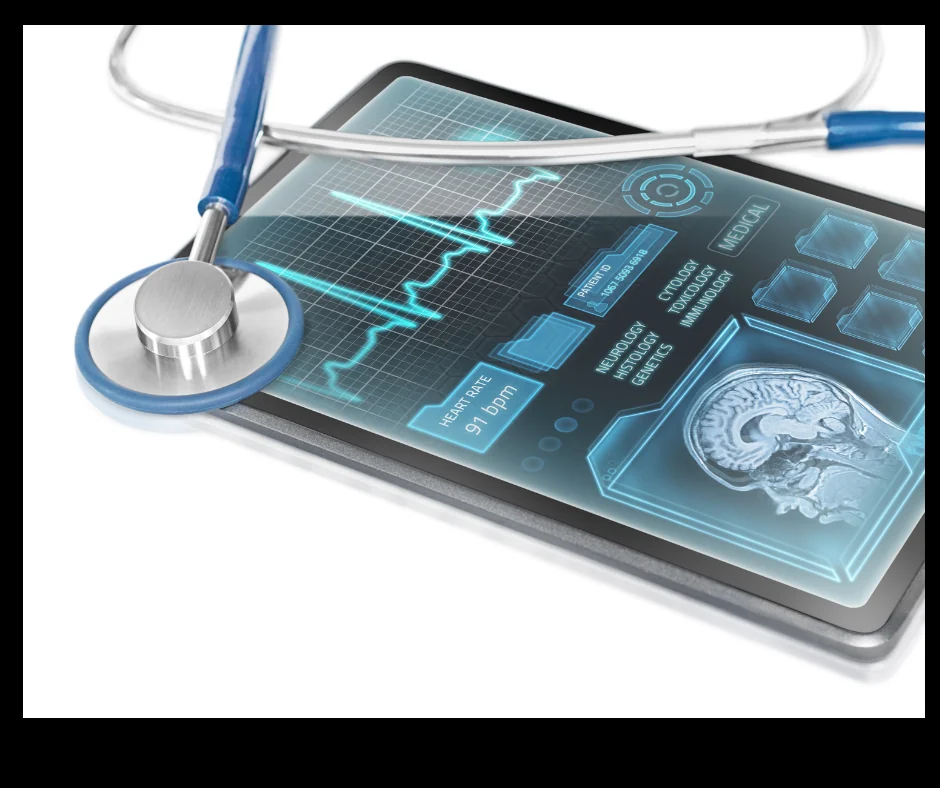
Live patient insight, clinical communication, fleet visibility and digital handover — brought together around your ambulance and receiving hospital.
02 / HOW THE JOURNEY CHANGESEXPLORE CONNECTED CARE
A moving ambulance. A connected care team.
The hospital connection begins on the road.
Follow a connected-care journey. Choose a moment to see what changes.
PRODUCT WALKTHROUGH Illustrative interface
RESCULANCE CONNECTED CAREPREVIEW
Patient insightCare in motion.
ECG / CARDIAC ACTIVITYVisual illustration of connected monitoring
OXYGEN SATURATIONSpO₂From supported monitor
BLOOD PRESSUREBPFrom supported monitor
Relevant information. Shared with the receiving team.
MOMENT 01 / Vitals & patient insight
See the patient’s condition.
The care journey is already underway.
Supported monitoring devices can share ECG, SpO₂, blood pressure and other available parameters with the receiving team. The patient’s condition becomes part of the conversation before the ambulance arrives.
Live vitalsSupported device integrationPatient context
A shared view of the situation. Human expertise, connected.
MOMENT 02 / Remote clinical support
Bring expertise into the journey.
The team on the road can have a team beside them.
Two-way audio and video let clinicians communicate with ambulance staff, view the cabin and discuss the patient’s condition. Technology supports the people making clinical decisions.
Two-way consultationCabin videoCare-team communication
AmbulanceReceiving hospitalILLUSTRATIVE ROUTE · NO LIVE GPS
Vehicle location. Dispatch. Communication. One operational picture.
MOMENT 03 / Fleet & command
Keep the response connected.
See the vehicle. Support the mission.
GPS, fleet visibility and dispatch workflows give operators a shared view of the response. Location, communication and case information can work together instead of being scattered across separate tools.
From the ambulance to the hospital. A more connected handover.
MOMENT 04 / Hospital readiness
Carry the information into care.
The handover starts before the doors open.
Patient care records, hospital pre-alerts and agreed digital handover workflows help the receiving team understand what is coming. Clinical information can travel with the patient into the next stage of care.
Capabilities depend on the selected model, supported equipment and agreed integration. This walkthrough uses illustrative screens, not live patient data.
Technology with a job to do
Every connection has a human purpose.
The right systems make the journey easier to understand, coordinate and prepare for.
CLINICAL VISIBILITY
Let expertise travel with the patient.
Live vitals and two-way telemedicine connect the ambulance team with remote clinicians. Supported device integration brings useful clinical information into the same conversation.
GPS tracking, geofencing and dispatch workflows help operators coordinate the vehicle, the team and the destination.
Location / Dispatch / VisibilityCONNECTIVITY
A connection designed for the journey.
5G-ready routing, 4G fallback and an installation planned around coverage, vehicle power and your operating routes.
Network / Hardware / Integration
DIGITAL CONTINUITY
The patient moves. The information should too.
Digital patient care reports, e-prescription workflows and hospital handover tools help clinical information follow the patient. Advanced projects can include HIS/EHR integration and QR-based transfer.
Connect the ambulance team with your clinicians, receive relevant patient information en route and shape a pre-arrival workflow around the way your hospital operates.
Make the fleet easier to see. And the response easier to coordinate.
Bring vehicle location, dispatch, communication and patient-care workflows into a connected operational picture — for a single unit or a growing fleet.
Build connected care around the places that need it.
Rural routes, urban response programmes and community initiatives have different needs. Start with the geography, the teams and the receiving facilities, then define the deployment.
Shape an ambulance programme around your site, your staff and your receiving hospital arrangements. Make equipment, communication and response coordination part of the same plan.
 RESCULANCE CONNECTED CAREPREVIEW